
You keep the thermostat set at a reasonable number, the living room feels great, and then you walk into the back bedroom and it’s like stepping into a different climate. Everyone else in the house is comfortable, but that one space stays stuffy no matter what you do. If you’ve ever wondered why it happens, you’re in good company. It’s one of the most common comfort complaints we hear from folks across Elk Grove, especially once those Sacramento Valley summers really settle in.
The good news is that a stubborn hot room almost always has a fixable cause. Sometimes it’s a two minute adjustment you can handle yourself. Other times it points to something in your ducts or your system that a pro should look at. Let’s walk through why one room hotter than rest of the house is so common here, what’s usually behind it, and how to get every room feeling the same again.
What causes one room to stay hotter than the rest?
Most of the time, an uneven temperature comes down to airflow. Your AC makes cold air just fine, but that air has to travel through a network of ducts to reach each room, and plenty can go wrong along the way. Air is lazy. It follows the path of least resistance, so the rooms closest to your air handler get plenty, and the room at the far end of a long duct run gets whatever’s left over.
Add in our local climate and it gets worse. A west facing bedroom that bakes in the afternoon sun has to fight heat the rest of the house never feels. So even if the airflow were perfect, that room would still run warm on a 105 degree July day. Usually it’s a mix of things stacking up, not one single villain.
1. A blocked or closed vent
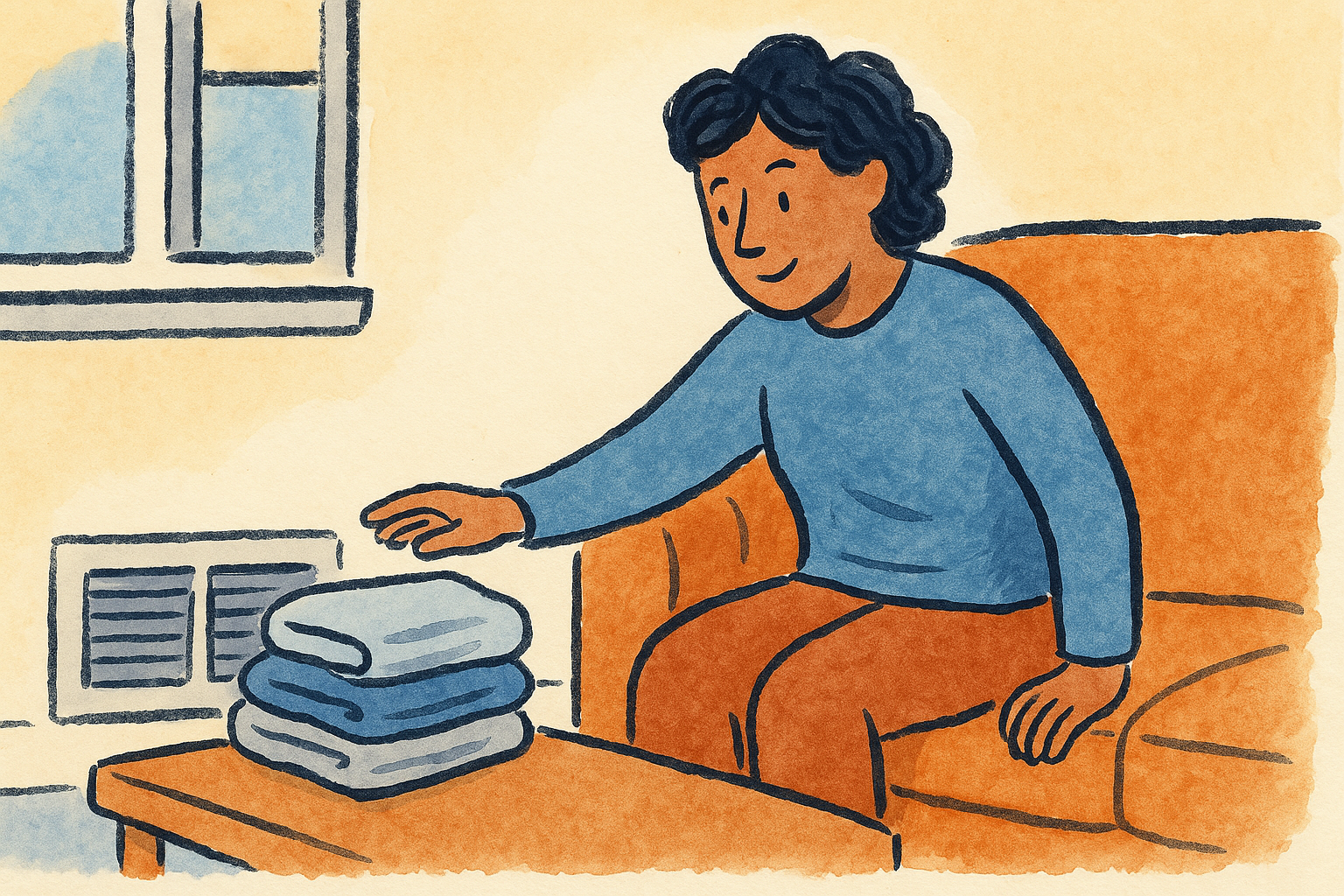
This is the first thing to check, and it’s free. Walk into the hot room and look at the supply vent. Is a couch, bed, dresser, or a stack of laundry sitting on top of it? Furniture blocks cool air more often than people think. Also make sure the little lever on the vent is actually open. Even one blocked vent can throw off the airflow to a whole section of the house.
2. A dirty air filter
A clogged filter chokes the airflow to your entire system, and the rooms farthest from the unit feel it first. In our dusty valley summers, filters load up fast. If you can’t remember the last time you swapped yours, that’s probably part of the story. Check it monthly during heavy use and change it when it looks gray and packed.
3. Leaky or crushed ductwork
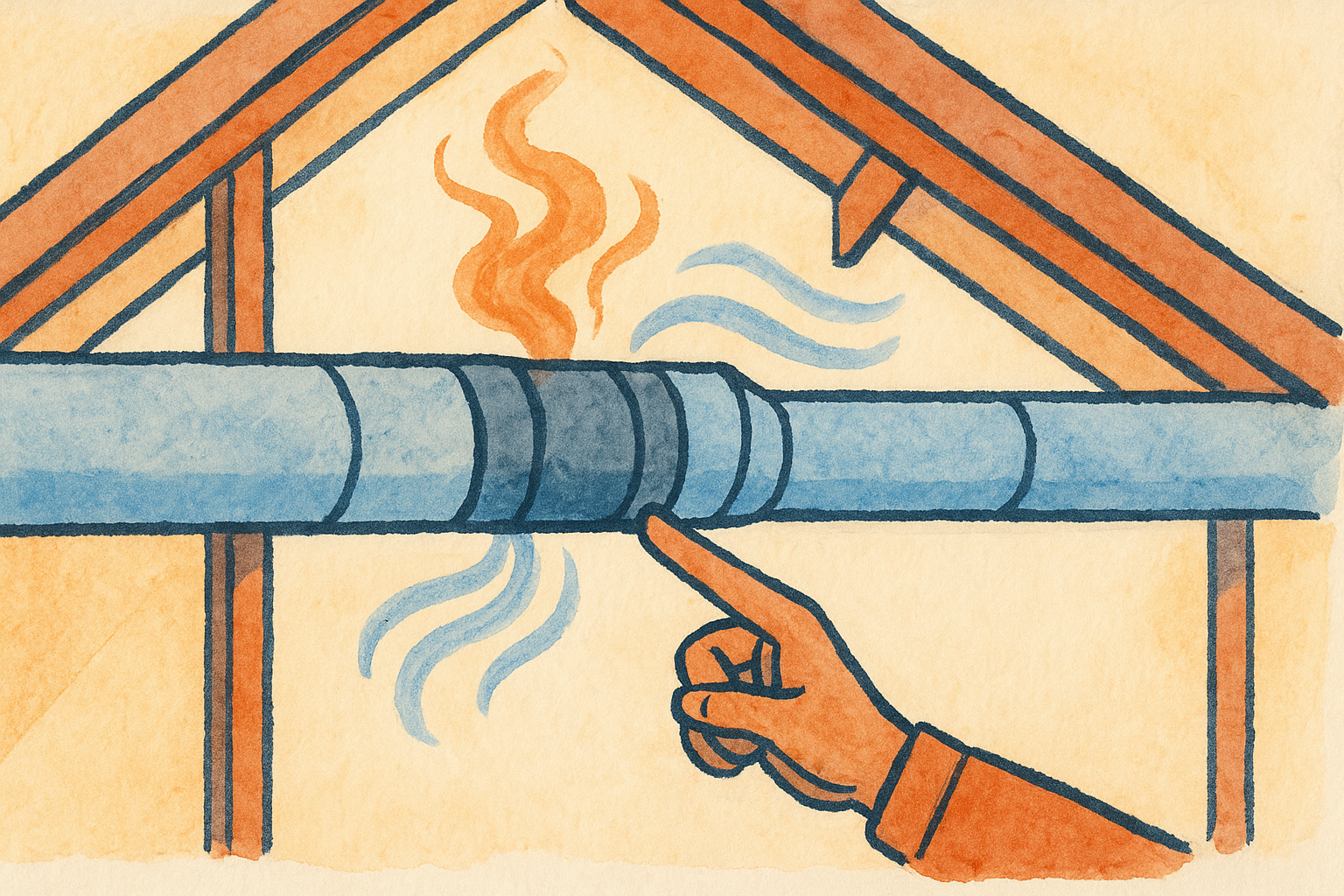
Your ducts often run through the attic, and in a Sacramento Valley attic that space can hit 130 degrees or more in summer. If a duct has a loose joint, a tear, or a section that got crushed, the cold air leaks out or gets choked off before it ever reaches the room. You lose the very air you’re paying to cool. Leaky ducts are one of the most common reasons a single room never keeps up.
4. Long or poorly designed duct runs
The room farthest from your air handler is fighting physics. By the time cold air travels all that distance, it has warmed up and lost pressure. Bonus rooms over a garage, converted spaces, and additions are classic offenders because their ducts were often tacked on as an afterthought.
5. Sun exposure and poor insulation
Some rooms just take more heat. West and south facing rooms soak up afternoon sun, and big windows act like magnifying glasses. If the room is over a garage or against an outside wall with thin insulation, it gains heat faster than your AC can pull it out. This is why the same room is often the hottest in summer and the coldest in winter.
6. Thermostat placement
Your thermostat only reads the temperature where it’s mounted, usually a central hallway. Once that spot hits your set number, the system shuts off, even if a far bedroom is still warm. If the thermostat sits in a cool, shaded hallway, the hot room never gets a fair shake.
When one room hotter than rest means a bigger problem
A single warm room is usually a nuisance, not an emergency. But sometimes uneven cooling is your system waving a flag. Pay attention if the gap keeps growing, if more than one room starts falling behind, or if the whole house struggles to cool even when the AC runs nonstop.
Those patterns can point to an undersized or aging system that can’t keep up with a valley heat wave, a refrigerant problem, or ducts that have degraded over the years. When the issue spreads beyond one room, it’s worth having someone look at the whole system rather than chasing one vent. Our guide to HVAC repair in Elk Grove covers what a proper diagnosis looks like.

How to fix a room that’s always too hot
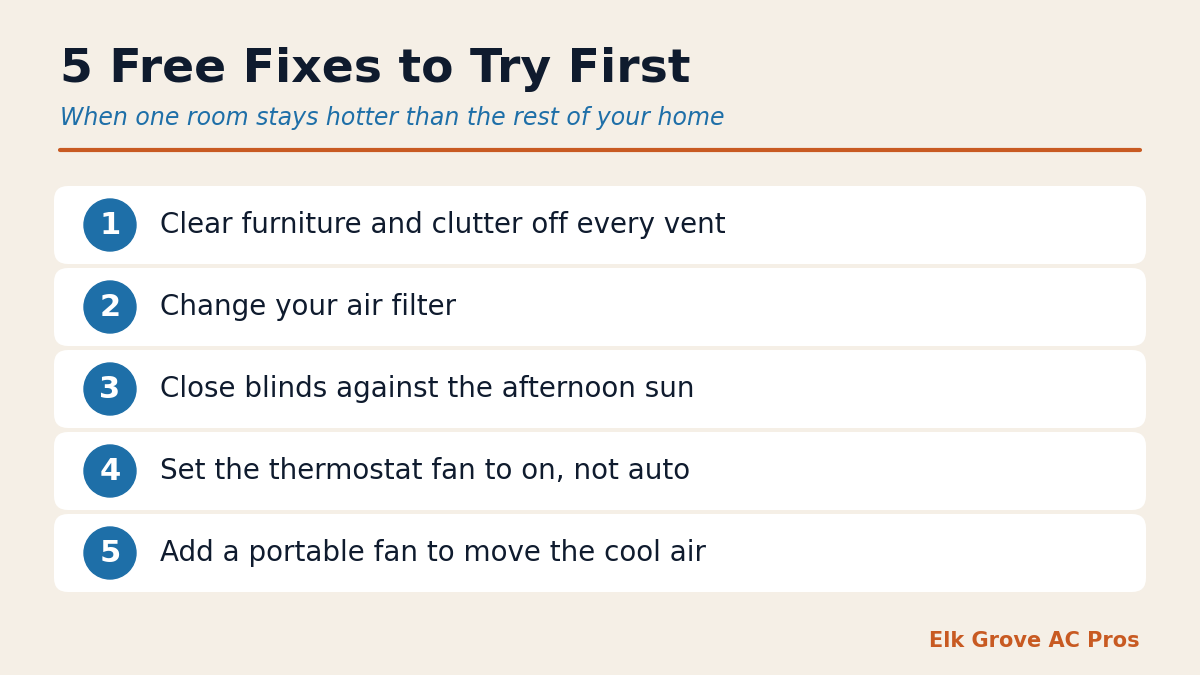
Fixing one room hotter than the rest usually starts with the easy, free stuff before you spend a dime. A surprising number of hot room problems clear up with a few basic checks.
Quick fixes you can try today
- Clear the vents. Move furniture, rugs, and clutter off every supply and return vent in the room, and open the vent fully.
- Change your filter. A fresh filter restores airflow to the whole house.
- Close blinds during the day. Blocking that harsh afternoon sun makes a real difference in a west facing room.
- Run the fan. Switching your thermostat fan from “auto” to “on” keeps air circulating and helps even out temperatures between rooms.
- Add a portable fan. A simple box or tower fan helps push cool air into the corners where it’s needed.
Fixes that call for a pro
If the quick stuff doesn’t cut it, the answer is usually in your ducts, and that’s where a technician earns their keep. Sealing leaky ducts, adjusting the dampers that control how much air goes where, and adding insulation to attic runs can even out your whole home. Dampers are little valves on the main ducts that let a pro dial in the airflow room by room, and getting them balanced right is often the fix that finally works.
For homes that never seem to balance out, especially two story houses where the upstairs cooks, a zoned system can be a lasting answer. Zoning splits your home into areas with their own thermostats and automatic dampers, so the hot room gets its own share of cool air on demand. It’s a bigger investment, so it’s worth talking through with a technician who can tell you whether simpler fixes will do the job first.
Common mistakes that make it worse
When people try to fix a hot room on their own, a few well meaning moves tend to backfire. Steer clear of these.
Closing vents in other rooms. It seems logical that closing vents elsewhere would push more air to the hot room. It usually does the opposite. Closing too many vents builds up pressure in your ducts, which strains the blower and can actually reduce airflow everywhere. Leave your vents open.
Cranking the thermostat way down. Setting it to 68 to force the hot room cooler just runs your system harder, spikes your SMUD bill, and overcools the rest of the house while that one room stays warm. The airflow problem is still there.
Ignoring it for years. A hot room caused by leaky ducts or a struggling system tends to get worse, not better. Catching it early usually means a smaller, cheaper fix.
Key takeaways
- A room that stays warmer than the rest is almost always an airflow problem: a blocked vent, a dirty filter, or leaky ducts.
- Our hot Sacramento Valley summers and sunny west facing rooms make the gap worse, especially in bonus rooms and additions.
- Start with free checks: clear the vents, change the filter, close the blinds, and run the fan.
- If those don’t work, duct sealing, damper balancing, or zoning from a pro will even things out.
- Never close vents in other rooms to compensate. It strains your system and rarely helps.
Frequently asked questions
Why is my upstairs so much hotter than downstairs?
Heat rises, so upstairs rooms naturally run warmer, and they also take more sun through the roof. Long duct runs to the second floor and a single thermostat downstairs make it worse. Balancing dampers or adding a zone is the usual fix.
Should I close vents in cool rooms to send more air to the hot one?
No. Closing vents builds pressure in your ducts and can reduce airflow across the whole house. Keep your vents open and have a pro balance the system instead.
Can a dirty filter really make one room hot?
Yes. A clogged filter restricts airflow everywhere, and the room farthest from your air handler feels the shortage first. It’s the cheapest thing to rule out, so check it before anything else.
Is a hot room worth calling a technician about?
If the free fixes don’t help, or if the problem spreads to other rooms or keeps getting worse, it’s worth a call. Uneven cooling can point to duct or system issues that a quick inspection will catch.
Get an even, comfortable home
A single stubborn hot room is one of those problems that feels like you just have to live with it, but you really don’t. Most of the time it comes down to airflow, and once the cause is found, the fix is straightforward. If you’ve tried the easy stuff and that room still won’t cooperate, a quick look at your ducts and system usually solves it for good.
Elk Grove AC Pros is a local HVAC information and lead request service. We’re not a licensed contractor, and this article is general information, not professional HVAC advice. Every home is different, so a licensed local pro should assess your specific system before any work is done. Costs and options vary.
If uneven cooling is driving you up the wall this summer, we can connect you with a trusted local technician. Request a free, no pressure quote and let’s get every room in your Elk Grove home feeling the same again.