
A flyer turns up on your door in late July. Whole house duct cleaning, one flat price, today only, with a photo on the back of a duct that looks like the inside of a vacuum bag. Your AC has been running almost nonstop since June, the dust on the shelves keeps coming back no matter how often you wipe, and the timing feels a little too convenient.
Most Elk Grove homeowners hit that moment at least once, and there’s no obvious way to tell whether you’re buying something useful or paying for a good photo.
It depends on what’s actually inside your ducts, and you can figure that out before anyone quotes you a number. Federal guidance on this is blunter than most people expect, and once you know the handful of situations that genuinely call for a cleaning, deciding whether air duct cleaning is worth it stops being a guess.
What Duct Cleaning Actually Involves
A real cleaning is more than a shop vac at the register. A qualified crew hooks a large negative pressure vacuum to your main trunk line, then works through the system with brushes and air whips to knock debris loose so the vacuum can pull it out.
Good crews also clean the parts people forget: the return drops, the registers and grilles, the blower compartment, and the evaporator coil above your furnace. Those collect far more gunk than the duct walls do.
A job that skips those pieces isn’t a system cleaning. It’s a duct rinse, and it’s what a very low flat rate usually buys.

What the Research Actually Says
The Environmental Protection Agency has looked at this, and its position surprises people. The EPA does not recommend that air ducts be cleaned routinely, only as needed, because the benefits under most circumstances remain uncertain.
The reasoning is simple. Most of the dust that settles inside duct walls sticks there. It isn’t getting blown into your living room every time the blower kicks on, so removing it doesn’t reliably change the air you breathe.
There’s also a downside worth knowing. A sloppy cleaning can leave your air worse than it was, because a weak vacuum or careless brushing knocks loose debris into the house instead of out of it. Flexible ductwork, which is what a lot of Sacramento Valley homes have in the attic, tears easily if somebody gets aggressive with a brush.
So the question isn’t whether ducts get dirty. They do. The question is whether yours are dirty in a way that’s causing a problem.

When Is Air Duct Cleaning Worth It?
The EPA points to three clear triggers, and they’re all things you can look for yourself with a flashlight and ten minutes.
1. Visible mold growth inside the ducts or on system components
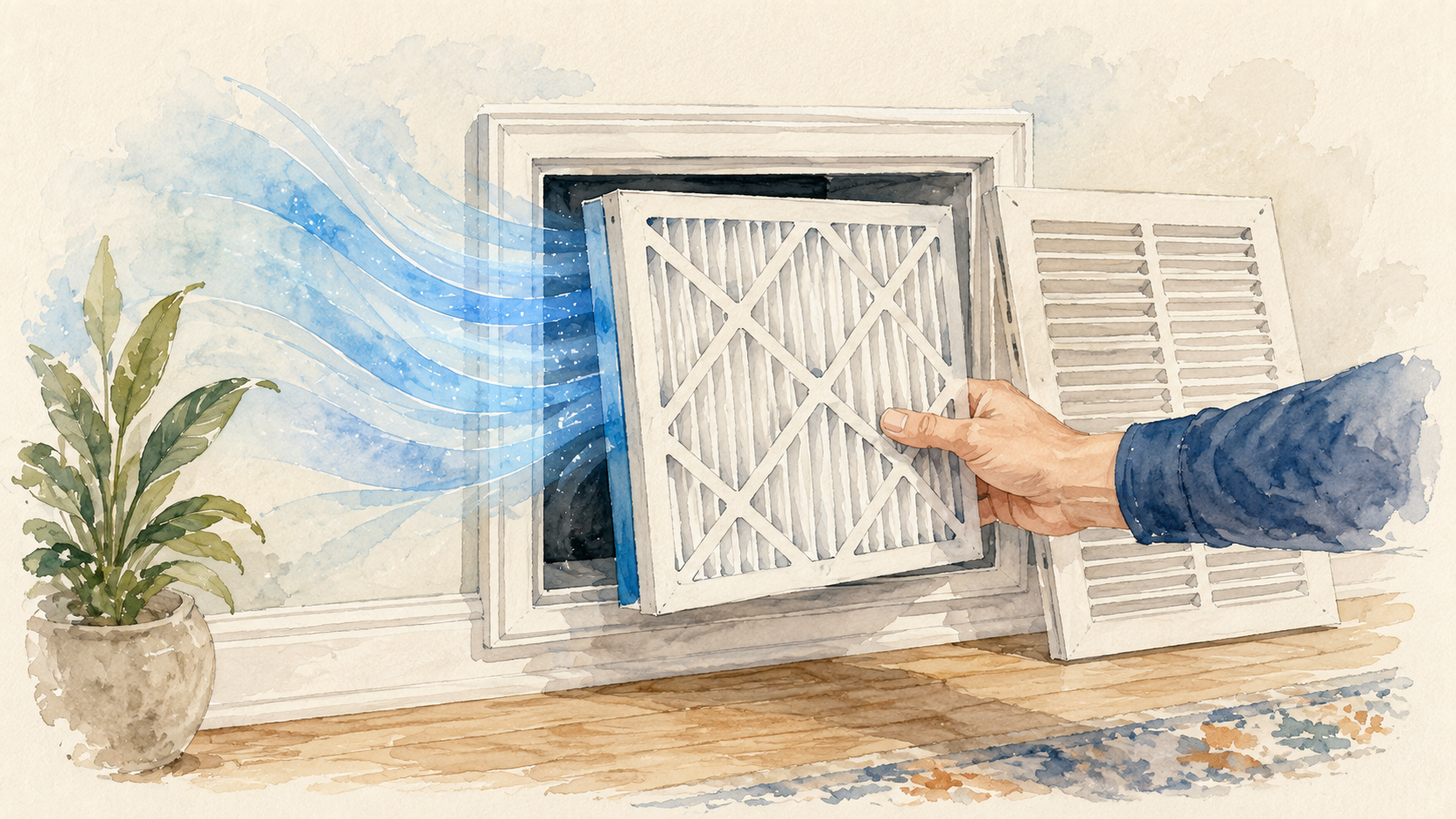
Pull a register cover and shine a light inside. Substantial fuzzy or dark growth on hard duct surfaces, on the coil, or in the blower compartment is the strongest reason on the list. Ask the contractor to show you the growth before you agree to anything, and get it identified rather than guessed at.
2. Rodents or insects living in the system
Droppings, nesting material, or a smell that worsens when the system runs all point the same direction. Attic and crawlspace ducts in older Elk Grove neighborhoods are a common target. Cleaning without sealing the entry point just resets the clock, so the pest problem has to get solved first.
3. Ducts clogged with debris that’s actually reaching your rooms
This one has a specific test. It isn’t dust on the duct wall, it’s dust and particles visibly puffing out of the supply registers when the blower starts. If you’re finding small piles of debris on the floor under a vent, that counts.
There’s a fourth case the guidance doesn’t spell out but every honest contractor will: right after major work. A remodel that threw drywall dust everywhere, a rodent removal, water intrusion, or heavy wildfire smoke can leave real material in the system. That’s when air duct cleaning is worth it without much debate.
When It’s Probably Not Worth the Money
If your registers look normal, nothing smells off, your filter is doing its job, and your only complaint is ordinary household dust, a cleaning won’t change much. Dust in a lived in house mostly comes from skin, fabric, pets, and open doors, not the ducts.
Same goes if your goal is a lower SMUD bill. Clean ducts don’t move meaningfully more air unless they were genuinely blocked, and a duct cleaning is not an efficiency upgrade. If your bills are climbing, the causes are usually elsewhere, which we covered in our guide on lowering your AC bills this summer.

What Elk Grove Homes Deal With Specifically
Our valley summers are long and dry, which means two things for your ductwork. Your system runs enormous hours between May and September, so anything wrong in there has months to show itself. And fine dust is part of life here, especially in newer developments near open ground and close to farmland.
Attic ducts add their own wrinkle. Attic temperatures in an Elk Grove July climb far above the outdoor air, and flex duct that’s been baking up there for twenty years gets brittle. A crew that’s rough with it can open leaks that cost you more than the cleaning did.
Smoke season is its own case. During a bad stretch of wildfire smoke, most of what gets into your house comes through doors, gaps in the building, and the return side of the system, not from material stored in the ducts. A better filter and a closed up house help more.
Four Things That Help Your Air More
If your real goal is cleaner air and better airflow, these come first almost every time.
Change the filter on schedule. During peak season, a lot of Elk Grove homes need a fresh filter every one to three months. This is the single highest value thing you can do, and it costs almost nothing.
Get the coil cleaned. The evaporator coil traps far more than duct walls do, and a dirty one hurts both airflow and cooling. It’s covered in detail in our post on why coil cleaning matters.
Seal the leaks. Leaky duct joints in a hot attic pull in attic air and dump cooled air where nobody lives. Sealing usually beats cleaning for both comfort and cost.
Keep up with regular service. An annual visit catches the airflow and drainage problems that create duct issues in the first place. That’s the core of seasonal AC maintenance.
Common Mistakes Homeowners Make
The most expensive one is buying on price alone. A very low whole house special is a door opener, and the real bill arrives once somebody is already in your attic describing what they found.
The second is accepting a scary photo as proof. Ask to see the inside of your own system, ideally on camera, before and after. A contractor who won’t show you the contamination hasn’t earned the job.
The third is treating a cleaning as a fix for a symptom that has another cause. Weak airflow from one vent is usually a duct problem, not a dirt problem. Warm air from every vent points at the equipment, which our guide to an AC not blowing cold air walks through.
The fourth is skipping the pest or moisture repair. If water is condensing in a duct or something is getting in, the mess is back within a season.
How to Hire Without Getting Burned
Get written estimates from a few companies and make sure each is quoting the same scope, including the coil, blower, and registers. A quote that only says “whole house” leaves too much room.
Ask what equipment they use. A negative pressure vacuum with proper containment is the standard. Ask how they’ll protect flex duct, and confirm they carry California licensing and insurance for the work.
Be skeptical of anyone selling chemical sanitizers or fogging as a default add on. Those products have specific approved uses, and spraying them through a home system is not automatically one of them.
If you’d rather not sort through all that yourself, we can match you with a vetted local pro through our air duct cleaning page.
Key Takeaways
Routine duct cleaning on a calendar isn’t supported by the evidence, and the EPA recommends it only as needed. Dust sitting on a duct wall generally stays there.
It becomes clearly worthwhile when there’s visible mold, pests in the system, debris actually blowing into your rooms, or a recent event like a remodel, a flood, or heavy smoke.
For most Elk Grove homes, filters, coil cleaning, and duct sealing do more. And a bad cleaning can make things worse, so who you hire matters more than how often you do it.
Frequently Asked Questions
How often should ducts be cleaned?
Industry groups often suggest roughly three to five years for homes that need it, with an inspection in between. Federal guidance leans toward condition rather than a calendar, so if nothing on the trigger list applies, waiting is fine.
Will duct cleaning help my allergies?
It hasn’t been shown to reliably reduce allergy or asthma symptoms on its own. Better filtration and removing the source tend to matter more. If there’s mold or pest material in your system, dealing with it is worth doing regardless.
Is air duct cleaning worth it for a brand new house?
Sometimes, and for an unusual reason. New construction ducts occasionally hold drywall dust and scraps from the build, so it’s worth a look inside during the first year rather than assuming new means clean.
Can I clean the ducts myself?
You can safely vacuum the registers and the first stretch of duct you can reach. Past that you need real containment and tools, or you push debris into the house and tear flex duct.
Getting a Straight Answer About Your Own System
Pull a register cover this week and look. Ordinary dust? Put it back and spend the money on a filter and a tune up. Growth, droppings, or debris pushing out at the vents? That’s your answer, and it’s when air duct cleaning is worth it.
Elk Grove AC Pros is a local HVAC information and lead request service, not a licensed contractor. This article is general information and not professional HVAC advice, so have a licensed local pro assess your specific system before deciding on any work. Pricing, scope, and recommendations vary by company and by home.
Want a real opinion instead of a flyer? Request a free, no pressure quote and we’ll connect you with a vetted pro serving Elk Grove and the greater Sacramento area who will actually show you what’s inside your system.